Buy valueinvesting.eu ?
We are moving the project
valueinvesting.eu .
Are you interested in purchasing the domain
valueinvesting.eu ?
domain@kv-gmbh.de · 0541-91531010
Buy valueinvesting.eu ?
Which insects pollinate snowdrops?
Snowdrops are primarily pollinated by early flying insects such as bees, hoverflies, and beetles. These insects are attracted to the sweet nectar produced by the snowdrop flowers and inadvertently transfer pollen from one flower to another as they feed. This pollination process is essential for the snowdrops to reproduce and produce seeds. **
Are snowdrops toxic to animals?
Yes, snowdrops are toxic to animals. They contain toxic compounds such as alkaloids that can be harmful if ingested by pets or livestock. Ingestion of snowdrops can cause symptoms such as vomiting, diarrhea, and in severe cases, can lead to more serious health issues. It is important to keep pets and livestock away from snowdrops to prevent accidental ingestion. **


Similar search terms for Snowdrops
Top-Angebote
Products related to Snowdrops:
-
Penguin Feel Great Lose Weight: Long term, simple habits for lasting and sustainable weight lossTHE LATEST BOOK FROM THE AUTHOR OF THE SUNDAY TIMES #1 BESTSELLER FEEL BETTER IN 5'This is not a diet book. This is a whole new way of looking at what, why and how we eat and helps you design your own plan to build a better, healthier relationship with food' Fearne Cotton'A book with practical simple tips for everyone!' Tim Spector'It is a beautiful book and has so much in it to help us feel good and prioritise our happiness and health' Dr Gemma Newman'One of the most influential doctors in the country' Chris Evans _________________________________________________________________________It's more important than ever before that we get in shape, stay healthy and live well - Dr Chatterjee is back to show you how. Weight loss isn't a race. It isn't one size fits all. Drawing on twenty years of experience as a GP, Dr Rangan Chatterjee has created a conscious, long-lasting approach to weight loss that goes far beyond fad diets and helps to find the best solutions that work for you. Packed with quick and easy interventions this book will help you: 1. Understand the effects of what, why, when, where and how we eat2. Discover the root cause of your weight gain3. Nourish your body without any crash diets or gruelling workouts 4. Build a toolbox of techniques to help you lose weight, for goodWith Feel Great, Lose Weight you can make sustainable, medically-approved lifestyle changes and become a more energised, confident and healthy you. _________________________________________________________________________ 'A blame-free book' Telegraph'This book is extremely practical, insightful and easy-to-follow' The Happy Pears12,95 £*Shipping: 2,99 £Secure redirect to the provider
-
KALATY Portfolio Red Hot Handmade Area RugInvite vibrancy into your classic interior with the bold red motif of this area rug. The Handmade wool construction infuses warmth and texture into your room, and the touch of silkette adds a silky sheen.279,99 $*Shipping: 0,00 $Secure redirect to the provider




-
'How do I get rid of snowdrops?'
To get rid of snowdrops, you can manually dig them up, making sure to remove the bulbs and roots to prevent regrowth. You can also use a herbicide specifically designed to target and kill bulbous plants like snowdrops. Be sure to follow the instructions on the herbicide carefully to ensure safe and effective application. Additionally, regularly removing any new shoots or bulbs as they appear can help prevent the spread of snowdrops in your garden. **
-
Why are snowdrops always in small groups?
Snowdrops are often found in small groups because they spread through underground rhizomes, which slowly multiply and create clusters of plants. This natural method of propagation leads to the formation of small clumps rather than large, dense patches. Additionally, snowdrops prefer to grow in moist, woodland areas where they can form small, naturalized colonies. This tendency to grow in small groups adds to their delicate and charming appearance in the garden. **
-
Is it deadly if Greek tortoises eat snowdrops?
Yes, it can be deadly if Greek tortoises eat snowdrops. Snowdrops contain toxic substances that can be harmful to tortoises if ingested. It is important to ensure that Greek tortoises do not have access to snowdrops or any other toxic plants to prevent any potential harm to them. If you suspect that your tortoise has ingested a toxic plant, it is best to seek immediate veterinary attention. **
-
Are snowdrops poisonous to dogs, cats, chickens, etc.?
Yes, snowdrops are poisonous to dogs, cats, and chickens. They contain toxic compounds called alkaloids, including galantamine and lycorine, which can cause symptoms such as vomiting, diarrhea, drooling, and in severe cases, seizures and even death. It's important to keep these plants out of reach of pets and livestock to prevent accidental ingestion. If you suspect your pet has ingested snowdrops, it's important to seek veterinary care immediately. **

Is it allowed to simply pick snowdrops and crocuses?
It is generally not allowed to pick snowdrops and crocuses from public or private gardens without permission. These flowers are often protected and picking them can harm the plants and prevent them from blooming in the future. It is best to admire these delicate flowers in their natural environment or purchase them from a reputable source if you wish to have them in your own garden. **
Is it still too early for crocuses and snowdrops?
It depends on the specific climate and location. In some regions, crocuses and snowdrops may start blooming as early as late winter or early spring, while in other areas they may not appear until later in the spring. It's important to consider the local weather patterns and temperature fluctuations when determining if it's too early for these early spring flowers to bloom. In general, if the ground is still frozen and there is a risk of frost, it may be too early for crocuses and snowdrops to emerge. **
Top-Angebote
Products related to Snowdrops:
-
Penguin Feel Great Lose Weight: Long term, simple habits for lasting and sustainable weight lossTHE LATEST BOOK FROM THE AUTHOR OF THE SUNDAY TIMES #1 BESTSELLER FEEL BETTER IN 5'This is not a diet book. This is a whole new way of looking at what, why and how we eat and helps you design your own plan to build a better, healthier relationship with food' Fearne Cotton'A book with practical simple tips for everyone!' Tim Spector'It is a beautiful book and has so much in it to help us feel good and prioritise our happiness and health' Dr Gemma Newman'One of the most influential doctors in the country' Chris Evans _________________________________________________________________________It's more important than ever before that we get in shape, stay healthy and live well - Dr Chatterjee is back to show you how. Weight loss isn't a race. It isn't one size fits all. Drawing on twenty years of experience as a GP, Dr Rangan Chatterjee has created a conscious, long-lasting approach to weight loss that goes far beyond fad diets and helps to find the best solutions that work for you. Packed with quick and easy interventions this book will help you: 1. Understand the effects of what, why, when, where and how we eat2. Discover the root cause of your weight gain3. Nourish your body without any crash diets or gruelling workouts 4. Build a toolbox of techniques to help you lose weight, for goodWith Feel Great, Lose Weight you can make sustainable, medically-approved lifestyle changes and become a more energised, confident and healthy you. _________________________________________________________________________ 'A blame-free book' Telegraph'This book is extremely practical, insightful and easy-to-follow' The Happy Pears12,95 £*Shipping: 2,99 £Secure redirect to the provider
-
Which insects pollinate snowdrops?
Snowdrops are primarily pollinated by early flying insects such as bees, hoverflies, and beetles. These insects are attracted to the sweet nectar produced by the snowdrop flowers and inadvertently transfer pollen from one flower to another as they feed. This pollination process is essential for the snowdrops to reproduce and produce seeds. **
-
Are snowdrops toxic to animals?
Yes, snowdrops are toxic to animals. They contain toxic compounds such as alkaloids that can be harmful if ingested by pets or livestock. Ingestion of snowdrops can cause symptoms such as vomiting, diarrhea, and in severe cases, can lead to more serious health issues. It is important to keep pets and livestock away from snowdrops to prevent accidental ingestion. **
-
'How do I get rid of snowdrops?'
To get rid of snowdrops, you can manually dig them up, making sure to remove the bulbs and roots to prevent regrowth. You can also use a herbicide specifically designed to target and kill bulbous plants like snowdrops. Be sure to follow the instructions on the herbicide carefully to ensure safe and effective application. Additionally, regularly removing any new shoots or bulbs as they appear can help prevent the spread of snowdrops in your garden. **
-
Why are snowdrops always in small groups?
Snowdrops are often found in small groups because they spread through underground rhizomes, which slowly multiply and create clusters of plants. This natural method of propagation leads to the formation of small clumps rather than large, dense patches. Additionally, snowdrops prefer to grow in moist, woodland areas where they can form small, naturalized colonies. This tendency to grow in small groups adds to their delicate and charming appearance in the garden. **
Similar search terms for Snowdrops
-
KALATY Portfolio Red Hot Handmade Area RugInvite vibrancy into your classic interior with the bold red motif of this area rug. The Handmade wool construction infuses warmth and texture into your room, and the touch of silkette adds a silky sheen.279,99 $*Shipping: 0,00 $Secure redirect to the provider
-
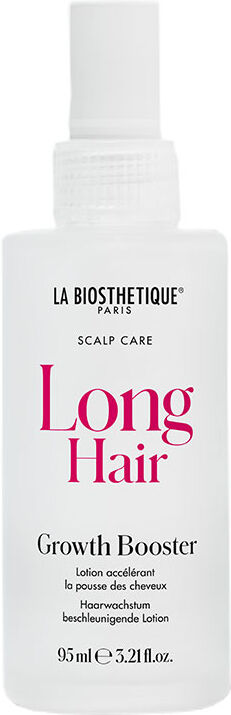
La Biosthetique Long Hair Growth Booster 95mlLa Biosthetique Long Hair Growth Booster is a potent formula to encourage healthy hair growth by targeting the roots. Keratin building blocks stimulate the hair roots, while an energy mix of glycogen and creatine significantly increases their cell activity*. This increases the hair’s growth rate by 67%**. Trace elements from coral and biotin result in healthy growth and boost the formation of stable, strong hair.Enriched with Wheat bran extract to help reduce the deposition of pollution particles on the scalp promoting a healthy scalp and healthy hair. *According to an in vitro study, the cell division rate increases by more than 98% compared to a placebo solution, source: BASF AG raw materials documentation **Result of a clinical study compared to a placebo solution, source: Sederma GmbH Key Ingredients • The keratin building blocks arginine, lysine and aspartic acid • Energy mix of glycogen and creatine • Trace elements of coral and biotin • Apigenin, oleanolic acid, Vitamin B12 • Wheat bran extract63,25 £*Shipping: 0,00 £Secure redirect to the provider
-
Healfit Counter Soft Big Toe Corrector, Perfect For Night And Home Use, Long term Relief From Bunions whiteDiscover lasting comfort and support with our 2pcs Soft Big Toe Correctoryour gentle, nonsurgical solution to get relief from bunions. Designed for both night and home use, this toe straightener delivers longterm comfort and alignment benefits in a...21,97 $*Shipping: 0,00 $Secure redirect to the provider
-
Is it deadly if Greek tortoises eat snowdrops?
Yes, it can be deadly if Greek tortoises eat snowdrops. Snowdrops contain toxic substances that can be harmful to tortoises if ingested. It is important to ensure that Greek tortoises do not have access to snowdrops or any other toxic plants to prevent any potential harm to them. If you suspect that your tortoise has ingested a toxic plant, it is best to seek immediate veterinary attention. **
-
Are snowdrops poisonous to dogs, cats, chickens, etc.?
Yes, snowdrops are poisonous to dogs, cats, and chickens. They contain toxic compounds called alkaloids, including galantamine and lycorine, which can cause symptoms such as vomiting, diarrhea, drooling, and in severe cases, seizures and even death. It's important to keep these plants out of reach of pets and livestock to prevent accidental ingestion. If you suspect your pet has ingested snowdrops, it's important to seek veterinary care immediately. **
-
Is it allowed to simply pick snowdrops and crocuses?
It is generally not allowed to pick snowdrops and crocuses from public or private gardens without permission. These flowers are often protected and picking them can harm the plants and prevent them from blooming in the future. It is best to admire these delicate flowers in their natural environment or purchase them from a reputable source if you wish to have them in your own garden. **
-
Is it still too early for crocuses and snowdrops?
It depends on the specific climate and location. In some regions, crocuses and snowdrops may start blooming as early as late winter or early spring, while in other areas they may not appear until later in the spring. It's important to consider the local weather patterns and temperature fluctuations when determining if it's too early for these early spring flowers to bloom. In general, if the ground is still frozen and there is a risk of frost, it may be too early for crocuses and snowdrops to emerge. **
* All prices are inclusive of VAT and, if applicable, plus shipping costs. The offer information is based on the details provided by the respective shop and is updated through automated processes. Real-time updates do not occur, so deviations can occur in individual cases. ** Note: Parts of this content were created by AI.