Buy valueinvesting.eu ?
We are moving the project
valueinvesting.eu .
Are you interested in purchasing the domain
valueinvesting.eu ?
domain@kv-gmbh.de · 0541-91531010
Buy valueinvesting.eu ?
How long is the lifespan of noroviruses?
Noroviruses can survive for a relatively long time outside of a host, with some studies suggesting they can persist on surfaces for weeks to months. However, their lifespan can vary depending on factors such as temperature, humidity, and the type of surface they are on. In a host, noroviruses typically cause symptoms for 24-48 hours, but the virus can still be shed in feces for several days to weeks after symptoms have resolved. **
How long is the lifespan of wasps?
The lifespan of wasps can vary depending on the species. In general, the lifespan of a worker wasp is relatively short, typically ranging from a few weeks to a few months. However, the lifespan of a queen wasp can be much longer, with some species living for several years. Overall, the lifespan of wasps is relatively short compared to other insects. **

Similar search terms for Lifespan
Top-Angebote
Products related to Lifespan:
-
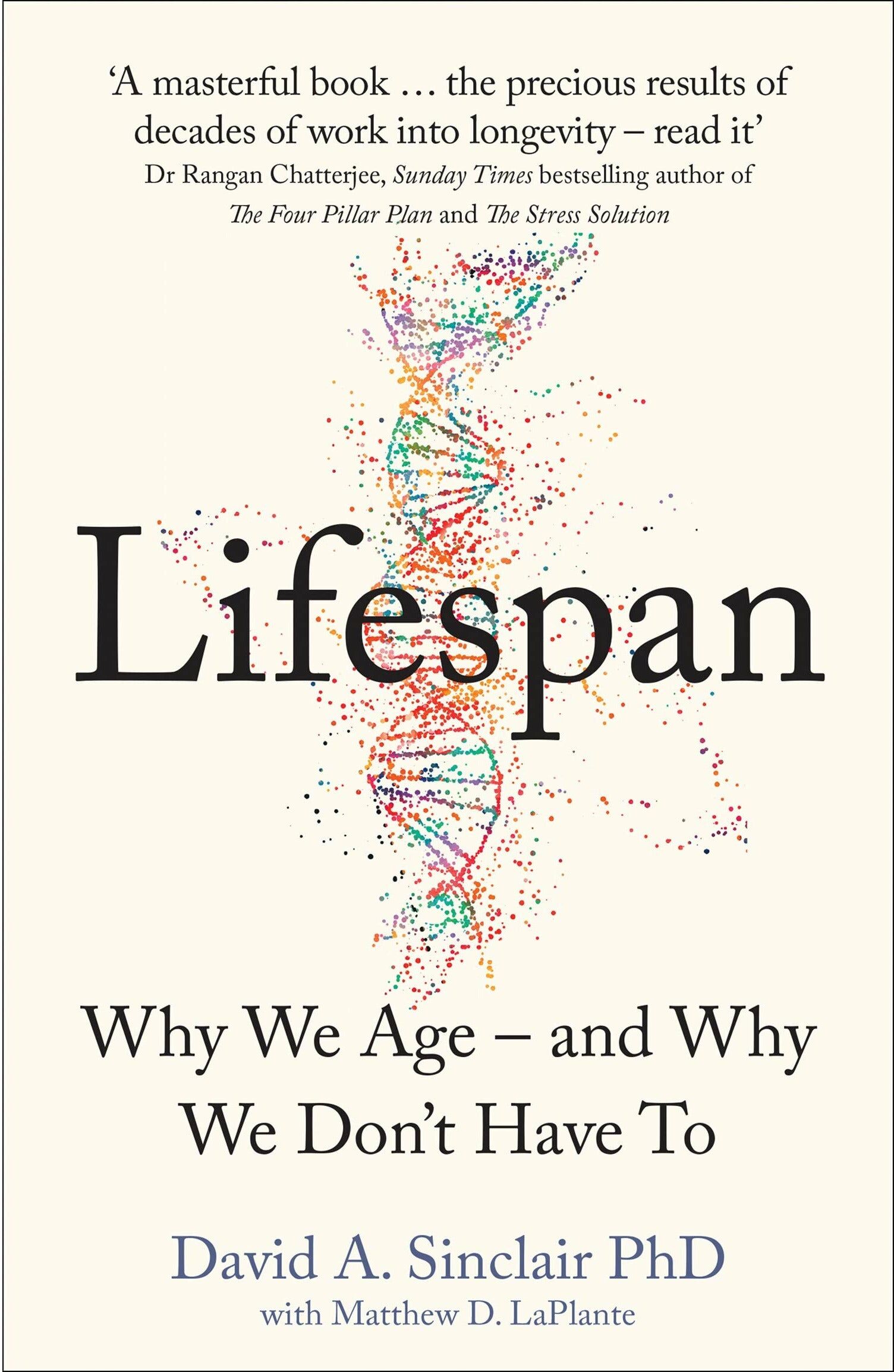
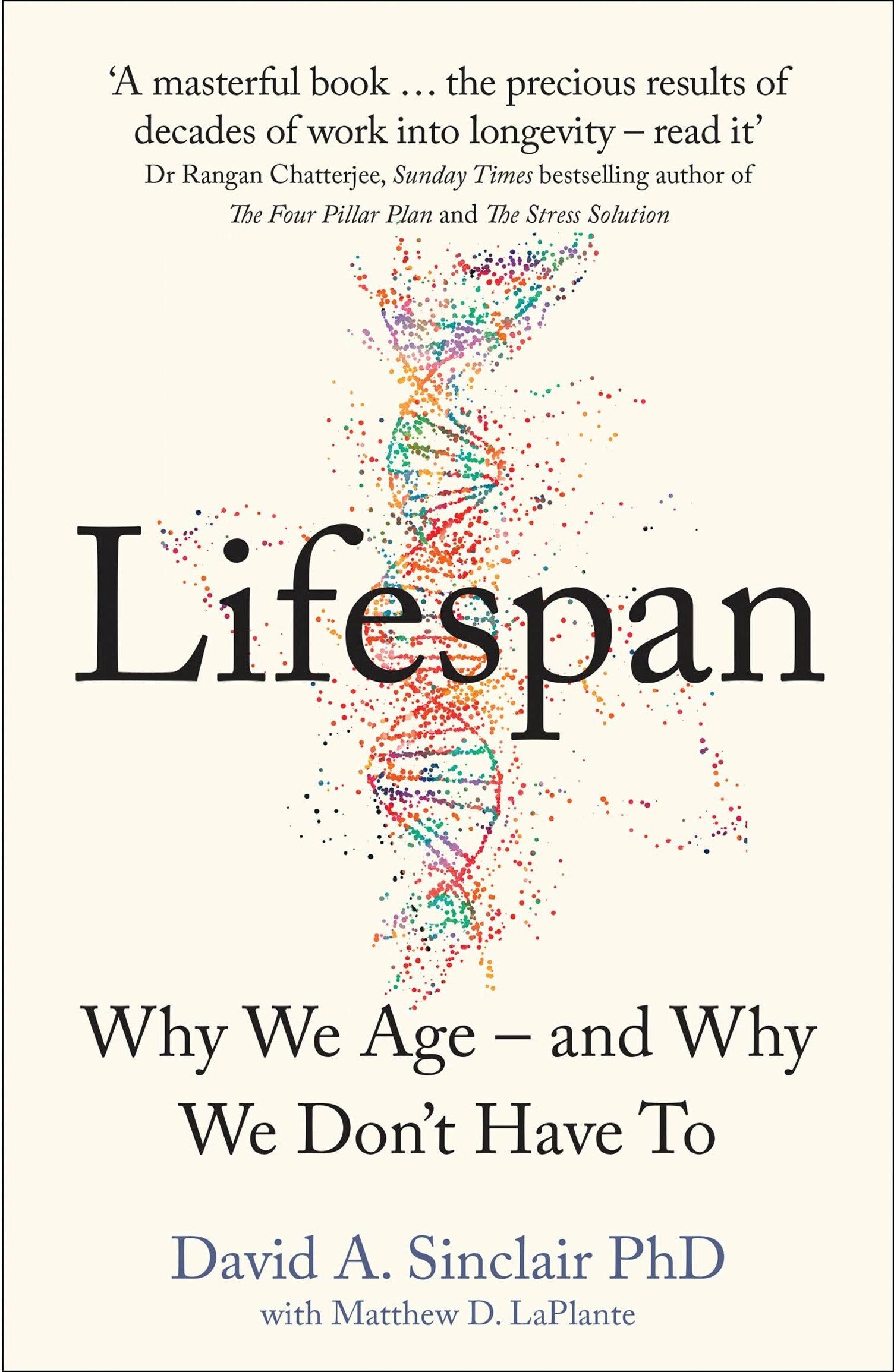
HARPERCOLLINS Lifespan: Why We Age and Why We Dont Have ToLifespan - Why We Age and Why We Dont Have To Description In this paradigm-shifting book from acclaimed Harvard Medical School doctor and one of TIME magazine's 100 most influential people on earth; Dr. David Sinclair reveals that everything we think we know about ageing is wrong; and shares the surprising; scientifically-proven methods that can help readers live younger; longer. For decades; the medical community has looked to a variety of reasons for why we age; and the consensus is that no one dies of old age; they die of age-related diseases. That's because ageing is not a disease - it is inevitable. But what if everything you think you know about ageing is wrong?What if ageing is a disease? And that disease is curable. In LIFESPAN; Dr. David Sinclair; one of the world's foremost authorities on genetics and ageing; argues just that. He has dedicated his life's work to chasing more than a longer lifespan - he wants to enable people to live longer; healthier; and disease-free well into our hundreds. In this book; he reveals a bold new theory of ageing; one that pinpoints a root cause of ageing that lies in an ancient genetic survival circuit. This genetic trick - a circuit designed to halt reproduction in order to repair damage to the genome -has enabled earth's early microcosms to survive and evolve into more advanced organisms. But this same survival circuit is the reason we age: as genetic damage accumulates over our lifespans from UV rays; environmental toxins; and unhealthy diets; our genome is overwhelmed; causing gray hair; wrinkles; achy joints; heart issues; dementia; and; ultimately; death. But genes aren't our destiny; we have more control over them than we've been taught to believe. We can't change our DNA; but we can harness the power of the epigenome to realise the true potential of our genes. Drawing on his cutting-edge findings at the forefront of medical research; Dr. Sinclair will provide a scientifically-proven roadmap to reverse the genetic clock by activating our vitality genes; so we can live younger longer. Readers will discover how a few simple lifestyle changes - like intermittent fasting; avoiding too much animal protein; limiting sugar; avoiding x-rays; exercising with the right intensity; and even trying cold therapy - can activate our vitality genes. Dr. Sinclair ends the book with a look to the near future; exploring what the world might look like - and what will need to change - when we are all living well to 120 or more. Dr. Sinclair takes what we have long accepted as the limits of human potential and mortality and turns them into choices. THE EVOLUTION OF AGEING is destined to be the biggest book on genes; biology; and longevity of this decade.7,95 £*Shipping: 2,99 £Secure redirect to the provider
-
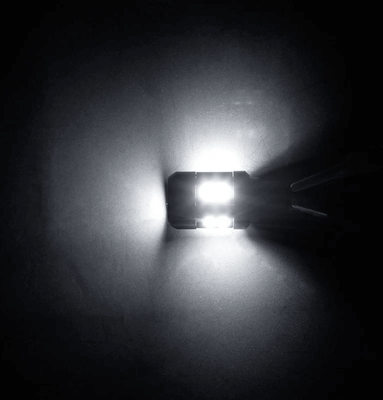
All Categories Goods LED Headlight Bulbs Conversion Kit, Cool White Low Beam, Super Bright, Long Lifespan, Plug And Play Installation LED Headlight Bulbs Conversion Kit, Cool White Low Beam, Super Bright, Long Lifespan, Plug And Play InstallationSuper Bright LED Headlight Bulbs Enhance Your Driving Experience If you're ready to take your driving experience to the next level, the 2 pcs H11 LED headlight bulbs are the perfect choice. Designed for superior performance, these bulbs are 500%...99,97 $*Shipping: 0,00 $Secure redirect to the provider
-
Orion Lifespan, The Telomere Effect & How Not to Die Collection 3 Books SetLifespan, The Telomere Effect & How Not to Die Collection 3 Books Set Title in This Set: Lifespan: Why We Age – and Why We Don’t Have To by Dr David A. Sinclair The Telomere Effect: A Revolutionary Approach to Living Younger, Healthier, Longer by Dr Elizabeth Blackburn, Dr Elissa Epel How Not to Die: Discover the Foods Scientifically Proven to Prevent and Reverse Disease by Michael Greger, Gene Stone15,95 £*Shipping: 2,99 £Secure redirect to the provider
-
Orion Lifespan & The Telomere Effect 2 Books Collection Set – Healthy Aging & Longevity CollectionLifespan Why We Age and Why We Don’t Have To by Dr David A. Sinclair In this paradigm-shifting book from acclaimed Harvard Medical School doctor and one of TIME magazine’s 100 most influential people on earth, Dr. David Sinclair reveals that everything we think we know about ageing is wrong, and shares the surprising, scientifically-proven methods that can help readers live younger, longer. For decades, the medical community has looked to a variety of reasons for why we age, and the consensus is that no one dies of old age; they die of age-related diseases. That's because ageing is not a disease – it is inevitable. But what if everything you think you know about ageing is wrong? What if ageing is a disease? And that disease is curable. In LIFESPAN, Dr. David Sinclair, one of the world’s foremost authorities on genetics and ageing, argues just that. He has dedicated his life’s work to chasing more than a longer lifespan – he wants to enable people to live longer, healthier, and disease-free well into our hundreds. In this book, he reveals a bold new theory of ageing, one that pinpoints a root cause of ageing that lies in an ancient genetic survival circuit. This genetic trick – a circuit designed to halt reproduction in order to repair damage to the genome –has enabled earth’s early microcosms to survive and evolve into more advanced organisms. But this same survival circuit is the reason we age: as genetic damage accumulates over our lifespans from UV rays, environmental toxins, and unhealthy diets, our genome is overwhelmed, causing gray hair, wrinkles, achy joints, heart issues, dementia, and, ultimately, death. The Telomere Effect: A Revolutionary Approach to Living Younger, Healthier, Longer by Dr Elizabeth Blackburn & Dr Elissa Epel A ground breaking book on the history of Telomeres offering fresh advice on how to slow down aging and lengthen life. Nobel prize winning Doctor Elizabeth Blackburn and leading health psychologist Dr Elissa Epel have discovered biological markers called Telomeres which can help to understand how healthy our cells are and what we can do to improve them. The book specifically looks ideas including; how biological age is not chronological age; a biological basis for the mind-body connection, how sleep and diet can affect telomeres and shockingly how mothers who are highly stressed during pregnancy have children with shorter telomeres. It also offers tools and advice on how to determine cellular age and telomere health. Doctor Elizabeth Blackburn was awarded the Nobel Prize in Physiology or Medicine in 2009 for her discovery of telomeres and their role in the ageing process and has previously been named in TIME magazine's 100 Most Influential People. Dr. Elissa Epel is a leading health psychologist who has conducted pioneering research uncovering the psychobiological mechanisms related to how stress ages us and compromises our health-from emotional eating to unhealthy storage of abdominal fat to telomere shortening.9,99 £*Shipping: 2,99 £Secure redirect to the provider


-
How long is the lifespan of mRNA?
The lifespan of mRNA can vary depending on the specific mRNA molecule and the cellular conditions. In general, the average lifespan of mRNA in a eukaryotic cell is around 10 hours, but some mRNA molecules can be very short-lived, lasting only a few minutes, while others can be more stable and persist for several days. The stability of mRNA is influenced by factors such as the presence of specific sequences in the mRNA molecule, the activity of RNA-binding proteins, and the cellular environment. **
-
What is the smartest strategy for charging batteries to preserve their lifespan?
The smartest strategy for charging batteries to preserve their lifespan is to avoid overcharging or undercharging them. It is best to follow the manufacturer's guidelines for charging, which may include not letting the battery fully discharge before recharging it. Using a charger specifically designed for the type of battery being used and avoiding extreme temperatures during charging can also help extend the battery's lifespan. Additionally, it is recommended to unplug the battery once it is fully charged to prevent overcharging. **
-
How long is the lifespan of flip phones?
The lifespan of flip phones can vary depending on the brand, model, and how well they are maintained. On average, flip phones can last anywhere from 3 to 5 years with proper care. However, some flip phones have been known to last longer, up to 7-10 years, if they are well-maintained and not subjected to excessive wear and tear. Ultimately, the lifespan of a flip phone will depend on how it is used and how well it is taken care of. **
-
How long is the lifespan of my GPU?
The lifespan of a GPU can vary depending on usage, maintenance, and quality of the hardware. On average, a GPU can last anywhere from 3 to 5 years before it may start to show signs of wear and tear. Regularly cleaning the GPU, ensuring proper ventilation, and avoiding overclocking can help extend its lifespan. Upgrading to a new GPU may be necessary if you start experiencing performance issues or if the GPU becomes outdated for newer software and games. **


How long is the lifespan of this PC?
The lifespan of a PC can vary depending on several factors such as the quality of components, usage patterns, and maintenance. On average, a well-maintained PC can last anywhere from 3 to 5 years before it may start experiencing performance issues or hardware failures. However, with regular upgrades and maintenance, the lifespan of a PC can be extended beyond this timeframe. **
How long is the lifespan of fruit trees?
The lifespan of fruit trees varies depending on the type of tree and the growing conditions. Generally, fruit trees can live anywhere from 15 to 50 years or more. Some fruit trees, like apple and pear trees, can live for several decades with proper care and maintenance. However, factors such as disease, pests, weather conditions, and soil quality can also impact the lifespan of fruit trees. **
Top-Angebote
Products related to Lifespan:
-
All Categories Goods LED Headlight Bulbs Kit, White Super Bright, High Low Beam , Long Lifespan LED Headlight Bulbs Kit, White Super Bright, High Low Beam , Long LifespanEnhance your driving experience with the 9005 LED Headlight Bulbs Kit, designed to provide superior visibility and safety. Whether you're driving through fog, rain, or dark roads, these bulbs ensure your path is illuminated with a bright, crisp...95,97 $*Shipping: 0,00 $Secure redirect to the provider
-
All Categories Goods Super Bright White LED Reverse Backup Light Bulb, Socket, Long Lifespan, Canbus Error Free Super Bright White LED Reverse Backup Light Bulb, Socket, Long Lifespan, Canbus Error FreeEnhance your vehicles safety and style with the 2 pcs Super Bright White LED Reverse Backup Light Bulb. Designed to deliver a highlumen output of 4000LM, this LED backup light provides superior brightness, ensuring you have a clear view when...49,97 $*Shipping: 0,00 $Secure redirect to the provider
-
HARPERCOLLINS Lifespan: Why We Age and Why We Dont Have ToLifespan - Why We Age and Why We Dont Have To Description In this paradigm-shifting book from acclaimed Harvard Medical School doctor and one of TIME magazine's 100 most influential people on earth; Dr. David Sinclair reveals that everything we think we know about ageing is wrong; and shares the surprising; scientifically-proven methods that can help readers live younger; longer. For decades; the medical community has looked to a variety of reasons for why we age; and the consensus is that no one dies of old age; they die of age-related diseases. That's because ageing is not a disease - it is inevitable. But what if everything you think you know about ageing is wrong?What if ageing is a disease? And that disease is curable. In LIFESPAN; Dr. David Sinclair; one of the world's foremost authorities on genetics and ageing; argues just that. He has dedicated his life's work to chasing more than a longer lifespan - he wants to enable people to live longer; healthier; and disease-free well into our hundreds. In this book; he reveals a bold new theory of ageing; one that pinpoints a root cause of ageing that lies in an ancient genetic survival circuit. This genetic trick - a circuit designed to halt reproduction in order to repair damage to the genome -has enabled earth's early microcosms to survive and evolve into more advanced organisms. But this same survival circuit is the reason we age: as genetic damage accumulates over our lifespans from UV rays; environmental toxins; and unhealthy diets; our genome is overwhelmed; causing gray hair; wrinkles; achy joints; heart issues; dementia; and; ultimately; death. But genes aren't our destiny; we have more control over them than we've been taught to believe. We can't change our DNA; but we can harness the power of the epigenome to realise the true potential of our genes. Drawing on his cutting-edge findings at the forefront of medical research; Dr. Sinclair will provide a scientifically-proven roadmap to reverse the genetic clock by activating our vitality genes; so we can live younger longer. Readers will discover how a few simple lifestyle changes - like intermittent fasting; avoiding too much animal protein; limiting sugar; avoiding x-rays; exercising with the right intensity; and even trying cold therapy - can activate our vitality genes. Dr. Sinclair ends the book with a look to the near future; exploring what the world might look like - and what will need to change - when we are all living well to 120 or more. Dr. Sinclair takes what we have long accepted as the limits of human potential and mortality and turns them into choices. THE EVOLUTION OF AGEING is destined to be the biggest book on genes; biology; and longevity of this decade.7,95 £*Shipping: 2,99 £Secure redirect to the provider
-
All Categories Goods LED Headlight Bulbs Conversion Kit, Cool White Low Beam, Super Bright, Long Lifespan, Plug And Play Installation LED Headlight Bulbs Conversion Kit, Cool White Low Beam, Super Bright, Long Lifespan, Plug And Play InstallationSuper Bright LED Headlight Bulbs Enhance Your Driving Experience If you're ready to take your driving experience to the next level, the 2 pcs H11 LED headlight bulbs are the perfect choice. Designed for superior performance, these bulbs are 500%...99,97 $*Shipping: 0,00 $Secure redirect to the provider
-
How long is the lifespan of noroviruses?
Noroviruses can survive for a relatively long time outside of a host, with some studies suggesting they can persist on surfaces for weeks to months. However, their lifespan can vary depending on factors such as temperature, humidity, and the type of surface they are on. In a host, noroviruses typically cause symptoms for 24-48 hours, but the virus can still be shed in feces for several days to weeks after symptoms have resolved. **
-
How long is the lifespan of wasps?
The lifespan of wasps can vary depending on the species. In general, the lifespan of a worker wasp is relatively short, typically ranging from a few weeks to a few months. However, the lifespan of a queen wasp can be much longer, with some species living for several years. Overall, the lifespan of wasps is relatively short compared to other insects. **
-
How long is the lifespan of mRNA?
The lifespan of mRNA can vary depending on the specific mRNA molecule and the cellular conditions. In general, the average lifespan of mRNA in a eukaryotic cell is around 10 hours, but some mRNA molecules can be very short-lived, lasting only a few minutes, while others can be more stable and persist for several days. The stability of mRNA is influenced by factors such as the presence of specific sequences in the mRNA molecule, the activity of RNA-binding proteins, and the cellular environment. **
-
What is the smartest strategy for charging batteries to preserve their lifespan?
The smartest strategy for charging batteries to preserve their lifespan is to avoid overcharging or undercharging them. It is best to follow the manufacturer's guidelines for charging, which may include not letting the battery fully discharge before recharging it. Using a charger specifically designed for the type of battery being used and avoiding extreme temperatures during charging can also help extend the battery's lifespan. Additionally, it is recommended to unplug the battery once it is fully charged to prevent overcharging. **
Similar search terms for Lifespan
-
Orion Lifespan, The Telomere Effect & How Not to Die Collection 3 Books SetLifespan, The Telomere Effect & How Not to Die Collection 3 Books Set Title in This Set: Lifespan: Why We Age – and Why We Don’t Have To by Dr David A. Sinclair The Telomere Effect: A Revolutionary Approach to Living Younger, Healthier, Longer by Dr Elizabeth Blackburn, Dr Elissa Epel How Not to Die: Discover the Foods Scientifically Proven to Prevent and Reverse Disease by Michael Greger, Gene Stone15,95 £*Shipping: 2,99 £Secure redirect to the provider
-
Orion Lifespan & The Telomere Effect 2 Books Collection Set – Healthy Aging & Longevity CollectionLifespan Why We Age and Why We Don’t Have To by Dr David A. Sinclair In this paradigm-shifting book from acclaimed Harvard Medical School doctor and one of TIME magazine’s 100 most influential people on earth, Dr. David Sinclair reveals that everything we think we know about ageing is wrong, and shares the surprising, scientifically-proven methods that can help readers live younger, longer. For decades, the medical community has looked to a variety of reasons for why we age, and the consensus is that no one dies of old age; they die of age-related diseases. That's because ageing is not a disease – it is inevitable. But what if everything you think you know about ageing is wrong? What if ageing is a disease? And that disease is curable. In LIFESPAN, Dr. David Sinclair, one of the world’s foremost authorities on genetics and ageing, argues just that. He has dedicated his life’s work to chasing more than a longer lifespan – he wants to enable people to live longer, healthier, and disease-free well into our hundreds. In this book, he reveals a bold new theory of ageing, one that pinpoints a root cause of ageing that lies in an ancient genetic survival circuit. This genetic trick – a circuit designed to halt reproduction in order to repair damage to the genome –has enabled earth’s early microcosms to survive and evolve into more advanced organisms. But this same survival circuit is the reason we age: as genetic damage accumulates over our lifespans from UV rays, environmental toxins, and unhealthy diets, our genome is overwhelmed, causing gray hair, wrinkles, achy joints, heart issues, dementia, and, ultimately, death. The Telomere Effect: A Revolutionary Approach to Living Younger, Healthier, Longer by Dr Elizabeth Blackburn & Dr Elissa Epel A ground breaking book on the history of Telomeres offering fresh advice on how to slow down aging and lengthen life. Nobel prize winning Doctor Elizabeth Blackburn and leading health psychologist Dr Elissa Epel have discovered biological markers called Telomeres which can help to understand how healthy our cells are and what we can do to improve them. The book specifically looks ideas including; how biological age is not chronological age; a biological basis for the mind-body connection, how sleep and diet can affect telomeres and shockingly how mothers who are highly stressed during pregnancy have children with shorter telomeres. It also offers tools and advice on how to determine cellular age and telomere health. Doctor Elizabeth Blackburn was awarded the Nobel Prize in Physiology or Medicine in 2009 for her discovery of telomeres and their role in the ageing process and has previously been named in TIME magazine's 100 Most Influential People. Dr. Elissa Epel is a leading health psychologist who has conducted pioneering research uncovering the psychobiological mechanisms related to how stress ages us and compromises our health-from emotional eating to unhealthy storage of abdominal fat to telomere shortening.9,99 £*Shipping: 2,99 £Secure redirect to the provider
-
All Categories Goods White E Super Bright LED Parking Light Bulb, Energy Saving, Long Lifespan, Low Power, Upgrade Your Halogen Bulbs To LED White E Super Bright LED Parking Light Bulb, Energy Saving, Long Lifespan, Low Power, Upgrade Your Halogen Bulbs TUpgrade Your Lighting with the Super Bright LED Parking Light Bulb Transform your vehicles lighting system with the 2 pcs Super Bright LED Parking Light Bulb in White E. Designed to deliver superior light output with minimal power consumption, this...43,97 $*Shipping: 0,00 $Secure redirect to the provider
-
iSpring FPCM100 All-in-One Water Filter Replacement for RCD100SPKHC Sparkling RO Water Maker, 12-Month LifespanAll-in-One Multi-Stage Technology - Composite cartridge that integrates multiple filtration stages (PP sediment, activated carbon fiber, Reverse Osmosis membrane, and granular activated carbon) into a single unit.138,49 $*Shipping: 0,00 $Secure redirect to the provider
-
How long is the lifespan of flip phones?
The lifespan of flip phones can vary depending on the brand, model, and how well they are maintained. On average, flip phones can last anywhere from 3 to 5 years with proper care. However, some flip phones have been known to last longer, up to 7-10 years, if they are well-maintained and not subjected to excessive wear and tear. Ultimately, the lifespan of a flip phone will depend on how it is used and how well it is taken care of. **
-
How long is the lifespan of my GPU?
The lifespan of a GPU can vary depending on usage, maintenance, and quality of the hardware. On average, a GPU can last anywhere from 3 to 5 years before it may start to show signs of wear and tear. Regularly cleaning the GPU, ensuring proper ventilation, and avoiding overclocking can help extend its lifespan. Upgrading to a new GPU may be necessary if you start experiencing performance issues or if the GPU becomes outdated for newer software and games. **
-
How long is the lifespan of this PC?
The lifespan of a PC can vary depending on several factors such as the quality of components, usage patterns, and maintenance. On average, a well-maintained PC can last anywhere from 3 to 5 years before it may start experiencing performance issues or hardware failures. However, with regular upgrades and maintenance, the lifespan of a PC can be extended beyond this timeframe. **
-
How long is the lifespan of fruit trees?
The lifespan of fruit trees varies depending on the type of tree and the growing conditions. Generally, fruit trees can live anywhere from 15 to 50 years or more. Some fruit trees, like apple and pear trees, can live for several decades with proper care and maintenance. However, factors such as disease, pests, weather conditions, and soil quality can also impact the lifespan of fruit trees. **
* All prices are inclusive of VAT and, if applicable, plus shipping costs. The offer information is based on the details provided by the respective shop and is updated through automated processes. Real-time updates do not occur, so deviations can occur in individual cases. ** Note: Parts of this content were created by AI.