Buy valueinvesting.eu ?
We are moving the project
valueinvesting.eu .
Are you interested in purchasing the domain
valueinvesting.eu ?
domain@kv-gmbh.de · 0541-91531010
Buy valueinvesting.eu ?
What is the difference between quel and lequel?
The main difference between "quel" and "lequel" is that "quel" is a general question word that means "which" or "what," while "lequel" is a specific question word that means "which one" or "which ones." "Quel" is used when asking a general question about something, while "lequel" is used when asking a specific question about a choice or selection among a limited number of options. For example, "Quel livre préfères-tu?" means "Which book do you prefer?" and "Lequel de ces livres préfères-tu?" means "Which one of these books do you prefer?" **
Which French relative pronouns are there: lequel or dont?
The French relative pronouns "lequel" and "dont" both serve different purposes. "Lequel" is used to refer to a specific noun and has different forms depending on the gender and number of the noun it refers to. On the other hand, "dont" is used to indicate possession or to introduce a relative clause with verbs that require the preposition "de." Both pronouns are important for constructing complex sentences and adding specificity to the language. **


Similar search terms for Lequel
Top-Angebote
Products related to Lequel:
-
Penguin Feel Great Lose Weight: Long term, simple habits for lasting and sustainable weight lossTHE LATEST BOOK FROM THE AUTHOR OF THE SUNDAY TIMES #1 BESTSELLER FEEL BETTER IN 5'This is not a diet book. This is a whole new way of looking at what, why and how we eat and helps you design your own plan to build a better, healthier relationship with food' Fearne Cotton'A book with practical simple tips for everyone!' Tim Spector'It is a beautiful book and has so much in it to help us feel good and prioritise our happiness and health' Dr Gemma Newman'One of the most influential doctors in the country' Chris Evans _________________________________________________________________________It's more important than ever before that we get in shape, stay healthy and live well - Dr Chatterjee is back to show you how. Weight loss isn't a race. It isn't one size fits all. Drawing on twenty years of experience as a GP, Dr Rangan Chatterjee has created a conscious, long-lasting approach to weight loss that goes far beyond fad diets and helps to find the best solutions that work for you. Packed with quick and easy interventions this book will help you: 1. Understand the effects of what, why, when, where and how we eat2. Discover the root cause of your weight gain3. Nourish your body without any crash diets or gruelling workouts 4. Build a toolbox of techniques to help you lose weight, for goodWith Feel Great, Lose Weight you can make sustainable, medically-approved lifestyle changes and become a more energised, confident and healthy you. _________________________________________________________________________ 'A blame-free book' Telegraph'This book is extremely practical, insightful and easy-to-follow' The Happy Pears12,95 £*Shipping: 2,99 £Secure redirect to the provider
-
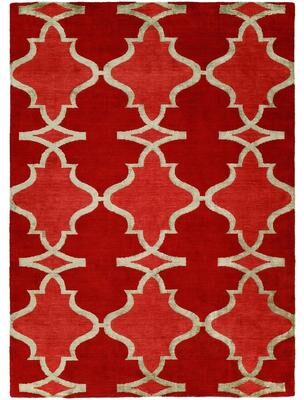
KALATY Portfolio Red Hot Handmade Area RugInvite vibrancy into your classic interior with the bold red motif of this area rug. The Handmade wool construction infuses warmth and texture into your room, and the touch of silkette adds a silky sheen.279,99 $*Shipping: 0,00 $Secure redirect to the provider



-
When is "que" used and when is "lequel" used?
"Que" is used as a relative pronoun to refer to things or people in a general sense, while "lequel" is used to refer to specific things or people. For example, "le livre que j'ai lu" (the book that I read) refers to a specific book, while "le livre sur lequel j'ai écrit" (the book on which I wrote) refers to a specific book. "Lequel" is also used when the antecedent is preceded by a preposition, such as "à," "de," or "sur." **
-
What is the French grammar for prepositions before "lequel," etc.?
In French grammar, when using relative pronouns like "lequel" (which means "which" or "whom"), the preposition always comes before the pronoun. For example, you would say "sur lequel" (on which), "avec laquelle" (with whom), or "dans lesquels" (in which). This rule applies to all the forms of "lequel" depending on gender and number. **
-
When do you use "qui" and when do you use "lequel"?
"Qui" is used to refer to people or animals, and it is the subject of the sentence. For example, "La personne qui parle" (The person who is speaking). On the other hand, "lequel" is used to refer to things or to people when the antecedent is introduced by a preposition. For example, "La maison dans laquelle j'habite" (The house in which I live). **
-
How long do you have to own stocks to receive dividends?
To receive dividends, you typically need to own the stocks before the ex-dividend date. This means you need to own the stocks at least one business day before the record date, which is the date set by the company to determine which shareholders are eligible to receive dividends. The exact timing can vary depending on the company and the specific dividend payment schedule. **

Can you help me with the French relative pronouns lequel and dont?
Of course! The relative pronoun "lequel" is used to refer to a previously mentioned noun and can be masculine, feminine, singular, or plural. It has different forms depending on the gender and number of the noun it refers to. On the other hand, "dont" is used to replace "de + noun" and is used to indicate possession or relationship. It is used to connect a main clause to a subordinate clause. I can provide more specific examples or help with any other questions you may have about these relative pronouns. **
When do we use ce qui, ce que, qui, que, dont, and lequel?
We use "ce qui" when the subject of the verb is unknown or unspecified. "Ce que" is used when the object of the verb is unknown or unspecified. "Qui" is used as the subject of the verb, while "que" is used as the direct object of the verb. "Dont" is used to indicate possession or relationship, and "lequel" is used to refer to a specific noun that has been previously mentioned. **
Top-Angebote
Products related to Lequel:
-
Penguin Feel Great Lose Weight: Long term, simple habits for lasting and sustainable weight lossTHE LATEST BOOK FROM THE AUTHOR OF THE SUNDAY TIMES #1 BESTSELLER FEEL BETTER IN 5'This is not a diet book. This is a whole new way of looking at what, why and how we eat and helps you design your own plan to build a better, healthier relationship with food' Fearne Cotton'A book with practical simple tips for everyone!' Tim Spector'It is a beautiful book and has so much in it to help us feel good and prioritise our happiness and health' Dr Gemma Newman'One of the most influential doctors in the country' Chris Evans _________________________________________________________________________It's more important than ever before that we get in shape, stay healthy and live well - Dr Chatterjee is back to show you how. Weight loss isn't a race. It isn't one size fits all. Drawing on twenty years of experience as a GP, Dr Rangan Chatterjee has created a conscious, long-lasting approach to weight loss that goes far beyond fad diets and helps to find the best solutions that work for you. Packed with quick and easy interventions this book will help you: 1. Understand the effects of what, why, when, where and how we eat2. Discover the root cause of your weight gain3. Nourish your body without any crash diets or gruelling workouts 4. Build a toolbox of techniques to help you lose weight, for goodWith Feel Great, Lose Weight you can make sustainable, medically-approved lifestyle changes and become a more energised, confident and healthy you. _________________________________________________________________________ 'A blame-free book' Telegraph'This book is extremely practical, insightful and easy-to-follow' The Happy Pears12,95 £*Shipping: 2,99 £Secure redirect to the provider
-
What is the difference between quel and lequel?
The main difference between "quel" and "lequel" is that "quel" is a general question word that means "which" or "what," while "lequel" is a specific question word that means "which one" or "which ones." "Quel" is used when asking a general question about something, while "lequel" is used when asking a specific question about a choice or selection among a limited number of options. For example, "Quel livre préfères-tu?" means "Which book do you prefer?" and "Lequel de ces livres préfères-tu?" means "Which one of these books do you prefer?" **
-
Which French relative pronouns are there: lequel or dont?
The French relative pronouns "lequel" and "dont" both serve different purposes. "Lequel" is used to refer to a specific noun and has different forms depending on the gender and number of the noun it refers to. On the other hand, "dont" is used to indicate possession or to introduce a relative clause with verbs that require the preposition "de." Both pronouns are important for constructing complex sentences and adding specificity to the language. **
-
When is "que" used and when is "lequel" used?
"Que" is used as a relative pronoun to refer to things or people in a general sense, while "lequel" is used to refer to specific things or people. For example, "le livre que j'ai lu" (the book that I read) refers to a specific book, while "le livre sur lequel j'ai écrit" (the book on which I wrote) refers to a specific book. "Lequel" is also used when the antecedent is preceded by a preposition, such as "à," "de," or "sur." **
-
What is the French grammar for prepositions before "lequel," etc.?
In French grammar, when using relative pronouns like "lequel" (which means "which" or "whom"), the preposition always comes before the pronoun. For example, you would say "sur lequel" (on which), "avec laquelle" (with whom), or "dans lesquels" (in which). This rule applies to all the forms of "lequel" depending on gender and number. **
Similar search terms for Lequel
-
KALATY Portfolio Red Hot Handmade Area RugInvite vibrancy into your classic interior with the bold red motif of this area rug. The Handmade wool construction infuses warmth and texture into your room, and the touch of silkette adds a silky sheen.279,99 $*Shipping: 0,00 $Secure redirect to the provider
-
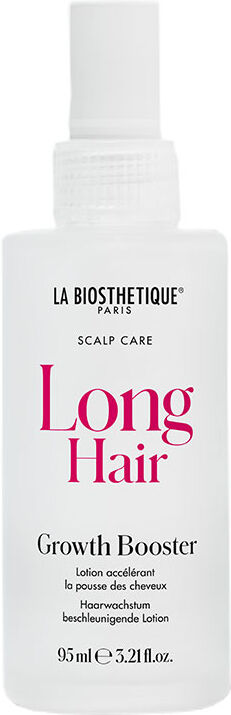
La Biosthetique Long Hair Growth Booster 95mlLa Biosthetique Long Hair Growth Booster is a potent formula to encourage healthy hair growth by targeting the roots. Keratin building blocks stimulate the hair roots, while an energy mix of glycogen and creatine significantly increases their cell activity*. This increases the hair’s growth rate by 67%**. Trace elements from coral and biotin result in healthy growth and boost the formation of stable, strong hair.Enriched with Wheat bran extract to help reduce the deposition of pollution particles on the scalp promoting a healthy scalp and healthy hair. *According to an in vitro study, the cell division rate increases by more than 98% compared to a placebo solution, source: BASF AG raw materials documentation **Result of a clinical study compared to a placebo solution, source: Sederma GmbH Key Ingredients • The keratin building blocks arginine, lysine and aspartic acid • Energy mix of glycogen and creatine • Trace elements of coral and biotin • Apigenin, oleanolic acid, Vitamin B12 • Wheat bran extract63,25 £*Shipping: 0,00 £Secure redirect to the provider
-
Healfit Counter Soft Big Toe Corrector, Perfect For Night And Home Use, Long term Relief From Bunions whiteDiscover lasting comfort and support with our 2pcs Soft Big Toe Correctoryour gentle, nonsurgical solution to get relief from bunions. Designed for both night and home use, this toe straightener delivers longterm comfort and alignment benefits in a...21,97 $*Shipping: 0,00 $Secure redirect to the provider
-
When do you use "qui" and when do you use "lequel"?
"Qui" is used to refer to people or animals, and it is the subject of the sentence. For example, "La personne qui parle" (The person who is speaking). On the other hand, "lequel" is used to refer to things or to people when the antecedent is introduced by a preposition. For example, "La maison dans laquelle j'habite" (The house in which I live). **
-
How long do you have to own stocks to receive dividends?
To receive dividends, you typically need to own the stocks before the ex-dividend date. This means you need to own the stocks at least one business day before the record date, which is the date set by the company to determine which shareholders are eligible to receive dividends. The exact timing can vary depending on the company and the specific dividend payment schedule. **
-
Can you help me with the French relative pronouns lequel and dont?
Of course! The relative pronoun "lequel" is used to refer to a previously mentioned noun and can be masculine, feminine, singular, or plural. It has different forms depending on the gender and number of the noun it refers to. On the other hand, "dont" is used to replace "de + noun" and is used to indicate possession or relationship. It is used to connect a main clause to a subordinate clause. I can provide more specific examples or help with any other questions you may have about these relative pronouns. **
-
When do we use ce qui, ce que, qui, que, dont, and lequel?
We use "ce qui" when the subject of the verb is unknown or unspecified. "Ce que" is used when the object of the verb is unknown or unspecified. "Qui" is used as the subject of the verb, while "que" is used as the direct object of the verb. "Dont" is used to indicate possession or relationship, and "lequel" is used to refer to a specific noun that has been previously mentioned. **
* All prices are inclusive of VAT and, if applicable, plus shipping costs. The offer information is based on the details provided by the respective shop and is updated through automated processes. Real-time updates do not occur, so deviations can occur in individual cases. ** Note: Parts of this content were created by AI.