Buy valueinvesting.eu ?
We are moving the project
valueinvesting.eu .
Are you interested in purchasing the domain
valueinvesting.eu ?
domain@kv-gmbh.de · 0541-91531010
Buy valueinvesting.eu ?
How does a dilution scheme with a dilution factor work?
A dilution scheme with a dilution factor works by taking a small volume of a concentrated solution and adding a specific amount of solvent to it to decrease the concentration. The dilution factor is calculated by dividing the final volume of the diluted solution by the initial volume of the concentrated solution. By following the dilution scheme and dilution factor, one can accurately prepare solutions of desired concentrations for experiments or analyses. **
Can I dilute the 1:20 dilution with a 1:15 dilution to make a 1:100 dilution?
No, you cannot dilute a 1:20 dilution with a 1:15 dilution to make a 1:100 dilution. When you dilute a solution, you are decreasing the concentration of the solute in the solution. In order to make a 1:100 dilution, you would need to start with a more concentrated solution and dilute it accordingly. Mixing two different dilutions together will not result in a precise 1:100 dilution. **


Similar search terms for Dilution
Top-Angebote
Products related to Dilution:
-
Penguin Feel Great Lose Weight: Long term, simple habits for lasting and sustainable weight lossTHE LATEST BOOK FROM THE AUTHOR OF THE SUNDAY TIMES #1 BESTSELLER FEEL BETTER IN 5'This is not a diet book. This is a whole new way of looking at what, why and how we eat and helps you design your own plan to build a better, healthier relationship with food' Fearne Cotton'A book with practical simple tips for everyone!' Tim Spector'It is a beautiful book and has so much in it to help us feel good and prioritise our happiness and health' Dr Gemma Newman'One of the most influential doctors in the country' Chris Evans _________________________________________________________________________It's more important than ever before that we get in shape, stay healthy and live well - Dr Chatterjee is back to show you how. Weight loss isn't a race. It isn't one size fits all. Drawing on twenty years of experience as a GP, Dr Rangan Chatterjee has created a conscious, long-lasting approach to weight loss that goes far beyond fad diets and helps to find the best solutions that work for you. Packed with quick and easy interventions this book will help you: 1. Understand the effects of what, why, when, where and how we eat2. Discover the root cause of your weight gain3. Nourish your body without any crash diets or gruelling workouts 4. Build a toolbox of techniques to help you lose weight, for goodWith Feel Great, Lose Weight you can make sustainable, medically-approved lifestyle changes and become a more energised, confident and healthy you. _________________________________________________________________________ 'A blame-free book' Telegraph'This book is extremely practical, insightful and easy-to-follow' The Happy Pears12,95 £*Shipping: 2,99 £Secure redirect to the provider
-
KALATY Portfolio Java/Brown Wool Handmade Area RugBring epoch-straddling appeal to a casual living room with this Portfolio rug. Pairing classic, architecture-inspired motifs and a brown finish for understated appeal, this rug is Handmade from wool and viscose for resilience.64,37 $*Shipping: 0,00 $Secure redirect to the provider



-
What is a dilution series?
A dilution series is a set of solutions that are prepared by sequentially diluting a stock solution with a solvent, typically water. Each solution in the series has a lower concentration of the original solute than the previous one. Dilution series are commonly used in scientific experiments to create a range of concentrations for testing the effects of different concentrations of a substance. By diluting the original solution multiple times, researchers can create a gradient of concentrations to study the response of a system to varying levels of the solute. **
-
Is this a dilution line?
No, this is not a dilution line. Dilution lines are typically used in scientific experiments to show the relationship between the concentration of a substance and its effect. This image does not appear to represent a dilution line as it shows a graph with multiple data points and no clear dilution trend. **
-
What is a dilution task?
A dilution task is a type of cognitive task used in psychology and neuroscience research to measure attention and cognitive control. In a typical dilution task, participants are presented with a series of stimuli and are asked to respond to a target stimulus while ignoring distractors. The distractors are designed to be similar to the target stimulus, making it more challenging for participants to maintain focus and accurately respond. By measuring reaction times and accuracy on the task, researchers can assess an individual's ability to filter out irrelevant information and focus on the task at hand. **
-
How do you calculate dilution?
To calculate dilution, you need to know the initial concentration of the solution and the final desired concentration. The formula for dilution is C1V1 = C2V2, where C1 is the initial concentration, V1 is the initial volume, C2 is the final concentration, and V2 is the final volume. By rearranging the formula, you can solve for the final volume or the initial volume needed to achieve the desired concentration. This calculation is commonly used in chemistry and biology when preparing solutions of a specific concentration. **

What does brand dilution mean?
Brand dilution refers to the weakening of a brand's identity and value due to over-expansion or the introduction of lower quality products or services under the same brand name. This can occur when a brand extends into too many different product categories, leading to a loss of focus and confusion among consumers. It can also happen when a brand's reputation is tarnished by offering subpar or inconsistent products or services. Brand dilution can ultimately lead to a loss of customer loyalty and a decline in the brand's overall market position. **
Can you help me with dilution?
Of course! Dilution is a process of reducing the concentration of a solute in a solution by adding more solvent. To calculate the new concentration after dilution, you can use the formula: C1V1 = C2V2, where C1 is the initial concentration, V1 is the initial volume, C2 is the final concentration, and V2 is the final volume. If you provide me with the specific details of the solution you are working with, I can guide you through the dilution process step by step. **
Top-Angebote
Products related to Dilution:
-
Penguin Feel Great Lose Weight: Long term, simple habits for lasting and sustainable weight lossTHE LATEST BOOK FROM THE AUTHOR OF THE SUNDAY TIMES #1 BESTSELLER FEEL BETTER IN 5'This is not a diet book. This is a whole new way of looking at what, why and how we eat and helps you design your own plan to build a better, healthier relationship with food' Fearne Cotton'A book with practical simple tips for everyone!' Tim Spector'It is a beautiful book and has so much in it to help us feel good and prioritise our happiness and health' Dr Gemma Newman'One of the most influential doctors in the country' Chris Evans _________________________________________________________________________It's more important than ever before that we get in shape, stay healthy and live well - Dr Chatterjee is back to show you how. Weight loss isn't a race. It isn't one size fits all. Drawing on twenty years of experience as a GP, Dr Rangan Chatterjee has created a conscious, long-lasting approach to weight loss that goes far beyond fad diets and helps to find the best solutions that work for you. Packed with quick and easy interventions this book will help you: 1. Understand the effects of what, why, when, where and how we eat2. Discover the root cause of your weight gain3. Nourish your body without any crash diets or gruelling workouts 4. Build a toolbox of techniques to help you lose weight, for goodWith Feel Great, Lose Weight you can make sustainable, medically-approved lifestyle changes and become a more energised, confident and healthy you. _________________________________________________________________________ 'A blame-free book' Telegraph'This book is extremely practical, insightful and easy-to-follow' The Happy Pears12,95 £*Shipping: 2,99 £Secure redirect to the provider
-
How does a dilution scheme with a dilution factor work?
A dilution scheme with a dilution factor works by taking a small volume of a concentrated solution and adding a specific amount of solvent to it to decrease the concentration. The dilution factor is calculated by dividing the final volume of the diluted solution by the initial volume of the concentrated solution. By following the dilution scheme and dilution factor, one can accurately prepare solutions of desired concentrations for experiments or analyses. **
-
Can I dilute the 1:20 dilution with a 1:15 dilution to make a 1:100 dilution?
No, you cannot dilute a 1:20 dilution with a 1:15 dilution to make a 1:100 dilution. When you dilute a solution, you are decreasing the concentration of the solute in the solution. In order to make a 1:100 dilution, you would need to start with a more concentrated solution and dilute it accordingly. Mixing two different dilutions together will not result in a precise 1:100 dilution. **
-
What is a dilution series?
A dilution series is a set of solutions that are prepared by sequentially diluting a stock solution with a solvent, typically water. Each solution in the series has a lower concentration of the original solute than the previous one. Dilution series are commonly used in scientific experiments to create a range of concentrations for testing the effects of different concentrations of a substance. By diluting the original solution multiple times, researchers can create a gradient of concentrations to study the response of a system to varying levels of the solute. **
-
Is this a dilution line?
No, this is not a dilution line. Dilution lines are typically used in scientific experiments to show the relationship between the concentration of a substance and its effect. This image does not appear to represent a dilution line as it shows a graph with multiple data points and no clear dilution trend. **
Similar search terms for Dilution
-
KALATY Portfolio Java/Brown Wool Handmade Area RugBring epoch-straddling appeal to a casual living room with this Portfolio rug. Pairing classic, architecture-inspired motifs and a brown finish for understated appeal, this rug is Handmade from wool and viscose for resilience.64,37 $*Shipping: 0,00 $Secure redirect to the provider
-
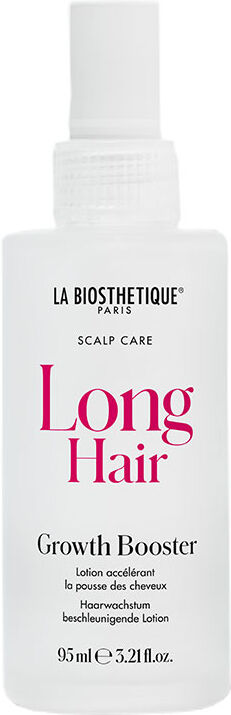
La Biosthetique Long Hair Growth Booster 95mlLa Biosthetique Long Hair Growth Booster is a potent formula to encourage healthy hair growth by targeting the roots. Keratin building blocks stimulate the hair roots, while an energy mix of glycogen and creatine significantly increases their cell activity*. This increases the hair’s growth rate by 67%**. Trace elements from coral and biotin result in healthy growth and boost the formation of stable, strong hair.Enriched with Wheat bran extract to help reduce the deposition of pollution particles on the scalp promoting a healthy scalp and healthy hair. *According to an in vitro study, the cell division rate increases by more than 98% compared to a placebo solution, source: BASF AG raw materials documentation **Result of a clinical study compared to a placebo solution, source: Sederma GmbH Key Ingredients • The keratin building blocks arginine, lysine and aspartic acid • Energy mix of glycogen and creatine • Trace elements of coral and biotin • Apigenin, oleanolic acid, Vitamin B12 • Wheat bran extract63,25 £*Shipping: 0,00 £Secure redirect to the provider
-
Lush Living Finds Perfect Soft Big Toe Corrector For Night Use, Long Term Comfort At Home skin ColorRelieve Toe Pain with Soft Big Toe Corrector Looking for a way to soothe and relieve discomfort in your toes The Soft Big Toe Corrector is the perfect solution for night and home use, providing longterm comfort while you relax. Crafted with soft,...34,97 $*Shipping: 0,00 $Secure redirect to the provider
-
What is a dilution task?
A dilution task is a type of cognitive task used in psychology and neuroscience research to measure attention and cognitive control. In a typical dilution task, participants are presented with a series of stimuli and are asked to respond to a target stimulus while ignoring distractors. The distractors are designed to be similar to the target stimulus, making it more challenging for participants to maintain focus and accurately respond. By measuring reaction times and accuracy on the task, researchers can assess an individual's ability to filter out irrelevant information and focus on the task at hand. **
-
How do you calculate dilution?
To calculate dilution, you need to know the initial concentration of the solution and the final desired concentration. The formula for dilution is C1V1 = C2V2, where C1 is the initial concentration, V1 is the initial volume, C2 is the final concentration, and V2 is the final volume. By rearranging the formula, you can solve for the final volume or the initial volume needed to achieve the desired concentration. This calculation is commonly used in chemistry and biology when preparing solutions of a specific concentration. **
-
What does brand dilution mean?
Brand dilution refers to the weakening of a brand's identity and value due to over-expansion or the introduction of lower quality products or services under the same brand name. This can occur when a brand extends into too many different product categories, leading to a loss of focus and confusion among consumers. It can also happen when a brand's reputation is tarnished by offering subpar or inconsistent products or services. Brand dilution can ultimately lead to a loss of customer loyalty and a decline in the brand's overall market position. **
-
Can you help me with dilution?
Of course! Dilution is a process of reducing the concentration of a solute in a solution by adding more solvent. To calculate the new concentration after dilution, you can use the formula: C1V1 = C2V2, where C1 is the initial concentration, V1 is the initial volume, C2 is the final concentration, and V2 is the final volume. If you provide me with the specific details of the solution you are working with, I can guide you through the dilution process step by step. **
* All prices are inclusive of VAT and, if applicable, plus shipping costs. The offer information is based on the details provided by the respective shop and is updated through automated processes. Real-time updates do not occur, so deviations can occur in individual cases. ** Note: Parts of this content were created by AI.