Buy valueinvesting.eu ?
We are moving the project
valueinvesting.eu .
Are you interested in purchasing the domain
valueinvesting.eu ?
domain@kv-gmbh.de · 0541-91531010
Buy valueinvesting.eu ?
What is transpiration in biology?
Transpiration is the process by which plants absorb water through their roots and then release it into the atmosphere through small openings in their leaves called stomata. This process helps plants to regulate their temperature, transport nutrients, and maintain their shape. Transpiration also plays a role in the water cycle by returning water vapor to the atmosphere. **
How does transpiration depend on humidity?
Transpiration is the process by which water is lost from a plant through the stomata in its leaves. Humidity affects transpiration because it is the measure of water vapor in the air. When the air is dry, with low humidity, the plant will transpire more to compensate for the lack of moisture in the air. Conversely, when the air is humid, with high humidity, the plant will transpire less because the air already contains a significant amount of water vapor. Therefore, transpiration is directly influenced by the humidity of the surrounding air. **


Similar search terms for Transpiration
Top-Angebote
Products related to Transpiration:
-
KALATY Portfolio Red Hot Handmade Area RugInvite vibrancy into your classic interior with the bold red motif of this area rug. The Handmade wool construction infuses warmth and texture into your room, and the touch of silkette adds a silky sheen.99,99 $*Shipping: 0,00 $Secure redirect to the provider
-
Penguin Feel Great Lose Weight: Long term, simple habits for lasting and sustainable weight lossTHE LATEST BOOK FROM THE AUTHOR OF THE SUNDAY TIMES #1 BESTSELLER FEEL BETTER IN 5'This is not a diet book. This is a whole new way of looking at what, why and how we eat and helps you design your own plan to build a better, healthier relationship with food' Fearne Cotton'A book with practical simple tips for everyone!' Tim Spector'It is a beautiful book and has so much in it to help us feel good and prioritise our happiness and health' Dr Gemma Newman'One of the most influential doctors in the country' Chris Evans _________________________________________________________________________It's more important than ever before that we get in shape, stay healthy and live well - Dr Chatterjee is back to show you how. Weight loss isn't a race. It isn't one size fits all. Drawing on twenty years of experience as a GP, Dr Rangan Chatterjee has created a conscious, long-lasting approach to weight loss that goes far beyond fad diets and helps to find the best solutions that work for you. Packed with quick and easy interventions this book will help you: 1. Understand the effects of what, why, when, where and how we eat2. Discover the root cause of your weight gain3. Nourish your body without any crash diets or gruelling workouts 4. Build a toolbox of techniques to help you lose weight, for goodWith Feel Great, Lose Weight you can make sustainable, medically-approved lifestyle changes and become a more energised, confident and healthy you. _________________________________________________________________________ 'A blame-free book' Telegraph'This book is extremely practical, insightful and easy-to-follow' The Happy Pears12,95 £*Shipping: 2,99 £Secure redirect to the provider




-
What does a transpiration diagram look like?
A transpiration diagram typically shows the movement of water through a plant, from the roots to the leaves, and its subsequent release into the atmosphere through the process of transpiration. It often includes arrows to indicate the direction of water flow, as well as labels to identify the different parts of the plant involved in transpiration, such as roots, stem, and leaves. The diagram may also include annotations to explain the role of stomata in regulating transpiration and the factors that influence the rate of water loss. **
-
What is the significance of transpiration for plants?
Transpiration is essential for plants as it helps in the absorption of water and nutrients from the soil through the roots. It also helps in maintaining the plant's temperature by cooling the leaves through the process of evaporation. Additionally, transpiration plays a crucial role in the transportation of minerals and nutrients from the roots to the leaves and other parts of the plant. Overall, transpiration is vital for the overall health and growth of plants. **
-
Why do dead hair reduce transpiration in plants?
Dead hair reduces transpiration in plants because it forms a protective layer over the surface of the plant, reducing the rate of water loss through transpiration. This layer of dead hair acts as a barrier, preventing excessive water loss and helping the plant to conserve water in dry or arid conditions. Additionally, dead hair can also provide insulation, reducing the impact of environmental factors such as wind and sun exposure, which can further reduce transpiration. Overall, dead hair plays a crucial role in helping plants adapt and survive in challenging environmental conditions. **
-
How can an experiment on plant transpiration be conducted?
An experiment on plant transpiration can be conducted by setting up a simple apparatus called a potometer. This apparatus consists of a plant stem inserted into a capillary tube filled with water, allowing you to measure the rate of water uptake by the plant. By controlling factors such as light intensity, temperature, and humidity, you can observe how these variables affect the rate of transpiration in the plant. By recording the changes in water level in the capillary tube over time, you can calculate the rate of transpiration and draw conclusions about the factors influencing this process. **
How can the transpiration process in plants be investigated?
The transpiration process in plants can be investigated through several methods. One common method is to use a potometer, which measures the rate of water uptake by a plant. By measuring the change in water level in the potometer over time, the rate of transpiration can be calculated. Another method is to use a gas analyzer to measure the rate of water vapor loss from the leaves of a plant. Additionally, researchers can use isotopic labeling techniques to track the movement of water through the plant and determine the rate of transpiration. These methods provide valuable insights into the transpiration process and its role in plant physiology. **
How can one conduct an experiment on plant transpiration?
To conduct an experiment on plant transpiration, one can set up a simple experiment using potted plants, plastic bags, a scale, and a ruler. Start by placing a potted plant in a plastic bag and sealing it tightly. Leave the plant in a well-lit area for a set period of time, such as 24 hours. Weigh the plant before and after the experiment to measure the amount of water lost through transpiration. Use the ruler to measure the surface area of the leaves to calculate the rate of transpiration. **
Top-Angebote
Products related to Transpiration:
-
KALATY Portfolio Red Hot Handmade Area RugInvite vibrancy into your classic interior with the bold red motif of this area rug. The Handmade wool construction infuses warmth and texture into your room, and the touch of silkette adds a silky sheen.99,99 $*Shipping: 0,00 $Secure redirect to the provider
-
What is transpiration in biology?
Transpiration is the process by which plants absorb water through their roots and then release it into the atmosphere through small openings in their leaves called stomata. This process helps plants to regulate their temperature, transport nutrients, and maintain their shape. Transpiration also plays a role in the water cycle by returning water vapor to the atmosphere. **
-
How does transpiration depend on humidity?
Transpiration is the process by which water is lost from a plant through the stomata in its leaves. Humidity affects transpiration because it is the measure of water vapor in the air. When the air is dry, with low humidity, the plant will transpire more to compensate for the lack of moisture in the air. Conversely, when the air is humid, with high humidity, the plant will transpire less because the air already contains a significant amount of water vapor. Therefore, transpiration is directly influenced by the humidity of the surrounding air. **
-
What does a transpiration diagram look like?
A transpiration diagram typically shows the movement of water through a plant, from the roots to the leaves, and its subsequent release into the atmosphere through the process of transpiration. It often includes arrows to indicate the direction of water flow, as well as labels to identify the different parts of the plant involved in transpiration, such as roots, stem, and leaves. The diagram may also include annotations to explain the role of stomata in regulating transpiration and the factors that influence the rate of water loss. **
-
What is the significance of transpiration for plants?
Transpiration is essential for plants as it helps in the absorption of water and nutrients from the soil through the roots. It also helps in maintaining the plant's temperature by cooling the leaves through the process of evaporation. Additionally, transpiration plays a crucial role in the transportation of minerals and nutrients from the roots to the leaves and other parts of the plant. Overall, transpiration is vital for the overall health and growth of plants. **
Similar search terms for Transpiration
-
Penguin Feel Great Lose Weight: Long term, simple habits for lasting and sustainable weight lossTHE LATEST BOOK FROM THE AUTHOR OF THE SUNDAY TIMES #1 BESTSELLER FEEL BETTER IN 5'This is not a diet book. This is a whole new way of looking at what, why and how we eat and helps you design your own plan to build a better, healthier relationship with food' Fearne Cotton'A book with practical simple tips for everyone!' Tim Spector'It is a beautiful book and has so much in it to help us feel good and prioritise our happiness and health' Dr Gemma Newman'One of the most influential doctors in the country' Chris Evans _________________________________________________________________________It's more important than ever before that we get in shape, stay healthy and live well - Dr Chatterjee is back to show you how. Weight loss isn't a race. It isn't one size fits all. Drawing on twenty years of experience as a GP, Dr Rangan Chatterjee has created a conscious, long-lasting approach to weight loss that goes far beyond fad diets and helps to find the best solutions that work for you. Packed with quick and easy interventions this book will help you: 1. Understand the effects of what, why, when, where and how we eat2. Discover the root cause of your weight gain3. Nourish your body without any crash diets or gruelling workouts 4. Build a toolbox of techniques to help you lose weight, for goodWith Feel Great, Lose Weight you can make sustainable, medically-approved lifestyle changes and become a more energised, confident and healthy you. _________________________________________________________________________ 'A blame-free book' Telegraph'This book is extremely practical, insightful and easy-to-follow' The Happy Pears12,95 £*Shipping: 2,99 £Secure redirect to the provider
-
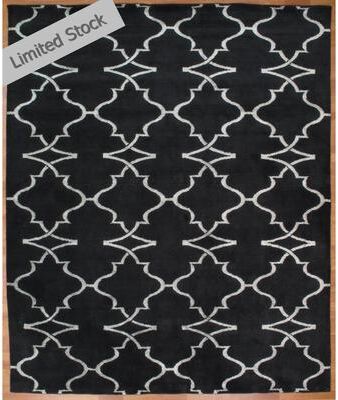
KALATY Portfolio Black Wool and Viscose Handmade Area RugSpice up light-colored flooring with this Portfolio area rug. Showcasing a geometric pattern by designer Parisa Abdollahi, this Handmade wool and viscose rug oozes casual style and fits various motifs.499,49 $*Shipping: 0,00 $Secure redirect to the provider
-
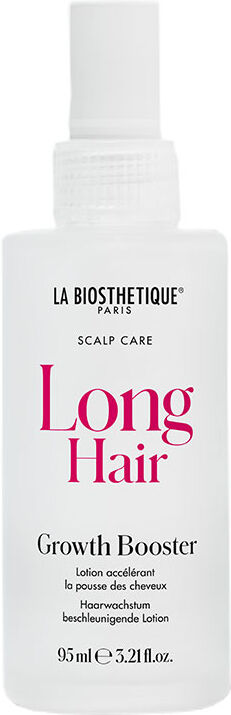
La Biosthetique Long Hair Growth Booster 95mlLa Biosthetique Long Hair Growth Booster is a potent formula to encourage healthy hair growth by targeting the roots. Keratin building blocks stimulate the hair roots, while an energy mix of glycogen and creatine significantly increases their cell activity*. This increases the hair’s growth rate by 67%**. Trace elements from coral and biotin result in healthy growth and boost the formation of stable, strong hair.Enriched with Wheat bran extract to help reduce the deposition of pollution particles on the scalp promoting a healthy scalp and healthy hair. *According to an in vitro study, the cell division rate increases by more than 98% compared to a placebo solution, source: BASF AG raw materials documentation **Result of a clinical study compared to a placebo solution, source: Sederma GmbH Key Ingredients • The keratin building blocks arginine, lysine and aspartic acid • Energy mix of glycogen and creatine • Trace elements of coral and biotin • Apigenin, oleanolic acid, Vitamin B12 • Wheat bran extract63,25 £*Shipping: 0,00 £Secure redirect to the provider
-
Why do dead hair reduce transpiration in plants?
Dead hair reduces transpiration in plants because it forms a protective layer over the surface of the plant, reducing the rate of water loss through transpiration. This layer of dead hair acts as a barrier, preventing excessive water loss and helping the plant to conserve water in dry or arid conditions. Additionally, dead hair can also provide insulation, reducing the impact of environmental factors such as wind and sun exposure, which can further reduce transpiration. Overall, dead hair plays a crucial role in helping plants adapt and survive in challenging environmental conditions. **
-
How can an experiment on plant transpiration be conducted?
An experiment on plant transpiration can be conducted by setting up a simple apparatus called a potometer. This apparatus consists of a plant stem inserted into a capillary tube filled with water, allowing you to measure the rate of water uptake by the plant. By controlling factors such as light intensity, temperature, and humidity, you can observe how these variables affect the rate of transpiration in the plant. By recording the changes in water level in the capillary tube over time, you can calculate the rate of transpiration and draw conclusions about the factors influencing this process. **
-
How can the transpiration process in plants be investigated?
The transpiration process in plants can be investigated through several methods. One common method is to use a potometer, which measures the rate of water uptake by a plant. By measuring the change in water level in the potometer over time, the rate of transpiration can be calculated. Another method is to use a gas analyzer to measure the rate of water vapor loss from the leaves of a plant. Additionally, researchers can use isotopic labeling techniques to track the movement of water through the plant and determine the rate of transpiration. These methods provide valuable insights into the transpiration process and its role in plant physiology. **
-
How can one conduct an experiment on plant transpiration?
To conduct an experiment on plant transpiration, one can set up a simple experiment using potted plants, plastic bags, a scale, and a ruler. Start by placing a potted plant in a plastic bag and sealing it tightly. Leave the plant in a well-lit area for a set period of time, such as 24 hours. Weigh the plant before and after the experiment to measure the amount of water lost through transpiration. Use the ruler to measure the surface area of the leaves to calculate the rate of transpiration. **
* All prices are inclusive of VAT and, if applicable, plus shipping costs. The offer information is based on the details provided by the respective shop and is updated through automated processes. Real-time updates do not occur, so deviations can occur in individual cases. ** Note: Parts of this content were created by AI.