Buy valueinvesting.eu ?
We are moving the project
valueinvesting.eu .
Are you interested in purchasing the domain
valueinvesting.eu ?
domain@kv-gmbh.de · 0541-91531010
Buy valueinvesting.eu ?
Can cavities be removed?
Cavities cannot be removed once they have formed in the teeth. However, they can be treated by a dentist through procedures such as fillings, crowns, or root canals, depending on the severity of the cavity. It is important to visit a dentist regularly for check-ups and cleanings to prevent cavities from forming in the first place. Practicing good oral hygiene, such as brushing and flossing regularly, can also help prevent cavities. **
Can the growth of cavities be slowed down or even stopped?
Yes, the growth of cavities can be slowed down or even stopped with proper oral hygiene practices. This includes brushing teeth twice a day with fluoride toothpaste, flossing daily, and visiting the dentist regularly for check-ups and cleanings. Additionally, reducing the consumption of sugary foods and drinks can help prevent cavities from forming or getting worse. If cavities are detected early, they can be treated with fillings to prevent further decay. **

Similar search terms for Cavities
Top-Angebote
Products related to Cavities:
-
Penguin Feel Great Lose Weight: Long term, simple habits for lasting and sustainable weight lossTHE LATEST BOOK FROM THE AUTHOR OF THE SUNDAY TIMES #1 BESTSELLER FEEL BETTER IN 5'This is not a diet book. This is a whole new way of looking at what, why and how we eat and helps you design your own plan to build a better, healthier relationship with food' Fearne Cotton'A book with practical simple tips for everyone!' Tim Spector'It is a beautiful book and has so much in it to help us feel good and prioritise our happiness and health' Dr Gemma Newman'One of the most influential doctors in the country' Chris Evans _________________________________________________________________________It's more important than ever before that we get in shape, stay healthy and live well - Dr Chatterjee is back to show you how. Weight loss isn't a race. It isn't one size fits all. Drawing on twenty years of experience as a GP, Dr Rangan Chatterjee has created a conscious, long-lasting approach to weight loss that goes far beyond fad diets and helps to find the best solutions that work for you. Packed with quick and easy interventions this book will help you: 1. Understand the effects of what, why, when, where and how we eat2. Discover the root cause of your weight gain3. Nourish your body without any crash diets or gruelling workouts 4. Build a toolbox of techniques to help you lose weight, for goodWith Feel Great, Lose Weight you can make sustainable, medically-approved lifestyle changes and become a more energised, confident and healthy you. _________________________________________________________________________ 'A blame-free book' Telegraph'This book is extremely practical, insightful and easy-to-follow' The Happy Pears12,95 £*Shipping: 2,99 £Secure redirect to the provider




-
Does drilling for cavities hurt?
Drilling for cavities can cause discomfort or pain for some individuals, as the process involves removing decayed tooth material using a dental drill. However, local anesthesia is typically administered to numb the area before drilling begins, which helps minimize any pain or discomfort. Additionally, advancements in dental technology have led to the development of quieter and more precise drills, making the experience more comfortable for patients. **
-
Are these signs of cavities?
Yes, the signs described - tooth sensitivity, pain when biting down, and visible holes or pits in the teeth - are common indicators of cavities. It is important to consult a dentist for a proper diagnosis and treatment if you are experiencing any of these symptoms. Early detection and treatment of cavities can help prevent further damage to the teeth. **
-
What are signs of cavities?
Signs of cavities include tooth sensitivity to hot, cold, or sweet foods, toothache or pain when biting down, visible holes or pits in the teeth, and staining or discoloration on the surface of the teeth. If you notice any of these signs, it is important to see a dentist for an evaluation and treatment to prevent further damage to the teeth. Regular dental check-ups can also help in detecting cavities early on. **
-
What are cavities and misalignments?
Cavities are areas of decay in the teeth caused by bacteria and plaque. When left untreated, cavities can lead to tooth pain, infection, and even tooth loss. Misalignments refer to the improper positioning of the teeth, which can cause issues with bite, speech, and overall oral health. Misalignments can be corrected through orthodontic treatments such as braces or clear aligners. Both cavities and misalignments can be addressed by regular dental check-ups and proper oral hygiene practices. **


Can cement fillings prevent cavities?
Cement fillings, also known as dental fillings, are used to repair teeth that have been damaged by decay. While cement fillings can help to restore the structure and function of a tooth, they do not prevent cavities. In fact, if a cavity is not properly treated and filled, it can continue to grow and cause further damage to the tooth. The best way to prevent cavities is through good oral hygiene practices, such as brushing and flossing regularly, and visiting the dentist for regular check-ups and cleanings. **
What causes fear of cavities?
The fear of cavities can be caused by a variety of factors. One common cause is the pain and discomfort associated with cavities, which can make people anxious about experiencing that pain. Additionally, the fear of cavities may stem from a fear of the dentist or dental procedures, as getting cavities filled can be an unpleasant experience for some people. Furthermore, the fear of cavities may also be influenced by societal pressure to have perfect teeth and the belief that cavities are a sign of poor oral hygiene. **
Top-Angebote
Products related to Cavities:
-
Inspired Finds Rapid Repair Gums Serum, Instant Relief For Sensitive Teeth, Cavities & Gum Damage 1pcEffective Relief for Tooth Allergy and Dental Caries Say goodbye to tooth discomfort with Rapid Repair Gums Serum. This powerful serum is formulated to effectively relieve tooth allergies and dental caries, promoting healthier gums and teeth....44,97 $*Shipping: 0,00 $Secure redirect to the provider
-
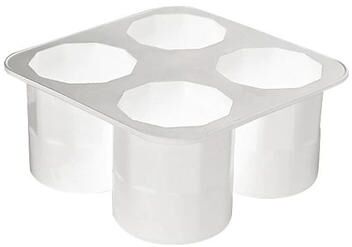
Inspire Curations Silicone Shot Glass Ice Mold Tray Reusable Whiskey Ice Cube Maker (4 Cavities) whiteUpgrade every pour with ice thats as refined as your drink. This silicone shot glass ice mold creates perfectly shaped ice cups and cubes that melt slower and look impressive in any glass. Made from foodgrade, flexible silicone, it releases ice...61,95 $*Shipping: 0,00 $Secure redirect to the provider
-
Can cavities be removed?
Cavities cannot be removed once they have formed in the teeth. However, they can be treated by a dentist through procedures such as fillings, crowns, or root canals, depending on the severity of the cavity. It is important to visit a dentist regularly for check-ups and cleanings to prevent cavities from forming in the first place. Practicing good oral hygiene, such as brushing and flossing regularly, can also help prevent cavities. **
-
Can the growth of cavities be slowed down or even stopped?
Yes, the growth of cavities can be slowed down or even stopped with proper oral hygiene practices. This includes brushing teeth twice a day with fluoride toothpaste, flossing daily, and visiting the dentist regularly for check-ups and cleanings. Additionally, reducing the consumption of sugary foods and drinks can help prevent cavities from forming or getting worse. If cavities are detected early, they can be treated with fillings to prevent further decay. **
-
Does drilling for cavities hurt?
Drilling for cavities can cause discomfort or pain for some individuals, as the process involves removing decayed tooth material using a dental drill. However, local anesthesia is typically administered to numb the area before drilling begins, which helps minimize any pain or discomfort. Additionally, advancements in dental technology have led to the development of quieter and more precise drills, making the experience more comfortable for patients. **
-
Are these signs of cavities?
Yes, the signs described - tooth sensitivity, pain when biting down, and visible holes or pits in the teeth - are common indicators of cavities. It is important to consult a dentist for a proper diagnosis and treatment if you are experiencing any of these symptoms. Early detection and treatment of cavities can help prevent further damage to the teeth. **
Similar search terms for Cavities
-
Penguin Feel Great Lose Weight: Long term, simple habits for lasting and sustainable weight lossTHE LATEST BOOK FROM THE AUTHOR OF THE SUNDAY TIMES #1 BESTSELLER FEEL BETTER IN 5'This is not a diet book. This is a whole new way of looking at what, why and how we eat and helps you design your own plan to build a better, healthier relationship with food' Fearne Cotton'A book with practical simple tips for everyone!' Tim Spector'It is a beautiful book and has so much in it to help us feel good and prioritise our happiness and health' Dr Gemma Newman'One of the most influential doctors in the country' Chris Evans _________________________________________________________________________It's more important than ever before that we get in shape, stay healthy and live well - Dr Chatterjee is back to show you how. Weight loss isn't a race. It isn't one size fits all. Drawing on twenty years of experience as a GP, Dr Rangan Chatterjee has created a conscious, long-lasting approach to weight loss that goes far beyond fad diets and helps to find the best solutions that work for you. Packed with quick and easy interventions this book will help you: 1. Understand the effects of what, why, when, where and how we eat2. Discover the root cause of your weight gain3. Nourish your body without any crash diets or gruelling workouts 4. Build a toolbox of techniques to help you lose weight, for goodWith Feel Great, Lose Weight you can make sustainable, medically-approved lifestyle changes and become a more energised, confident and healthy you. _________________________________________________________________________ 'A blame-free book' Telegraph'This book is extremely practical, insightful and easy-to-follow' The Happy Pears12,95 £*Shipping: 2,99 £Secure redirect to the provider
-
KALATY Portfolio Red Hot Handmade Area RugInvite vibrancy into your classic interior with the bold red motif of this area rug. The Handmade wool construction infuses warmth and texture into your room, and the touch of silkette adds a silky sheen.279,99 $*Shipping: 0,00 $Secure redirect to the provider
-
What are signs of cavities?
Signs of cavities include tooth sensitivity to hot, cold, or sweet foods, toothache or pain when biting down, visible holes or pits in the teeth, and staining or discoloration on the surface of the teeth. If you notice any of these signs, it is important to see a dentist for an evaluation and treatment to prevent further damage to the teeth. Regular dental check-ups can also help in detecting cavities early on. **
-
What are cavities and misalignments?
Cavities are areas of decay in the teeth caused by bacteria and plaque. When left untreated, cavities can lead to tooth pain, infection, and even tooth loss. Misalignments refer to the improper positioning of the teeth, which can cause issues with bite, speech, and overall oral health. Misalignments can be corrected through orthodontic treatments such as braces or clear aligners. Both cavities and misalignments can be addressed by regular dental check-ups and proper oral hygiene practices. **
-
Can cement fillings prevent cavities?
Cement fillings, also known as dental fillings, are used to repair teeth that have been damaged by decay. While cement fillings can help to restore the structure and function of a tooth, they do not prevent cavities. In fact, if a cavity is not properly treated and filled, it can continue to grow and cause further damage to the tooth. The best way to prevent cavities is through good oral hygiene practices, such as brushing and flossing regularly, and visiting the dentist for regular check-ups and cleanings. **
-
What causes fear of cavities?
The fear of cavities can be caused by a variety of factors. One common cause is the pain and discomfort associated with cavities, which can make people anxious about experiencing that pain. Additionally, the fear of cavities may stem from a fear of the dentist or dental procedures, as getting cavities filled can be an unpleasant experience for some people. Furthermore, the fear of cavities may also be influenced by societal pressure to have perfect teeth and the belief that cavities are a sign of poor oral hygiene. **
* All prices are inclusive of VAT and, if applicable, plus shipping costs. The offer information is based on the details provided by the respective shop and is updated through automated processes. Real-time updates do not occur, so deviations can occur in individual cases. ** Note: Parts of this content were created by AI.